Polly Crowther, Co-Founder, Early Insights; Evidence Lead in Education, East London Research School; Teacher, UK
Victoria Blake, Development Lead, Teach First, UK
Rebecca Webster, Senior Lecturer and Primary School Teacher, UK
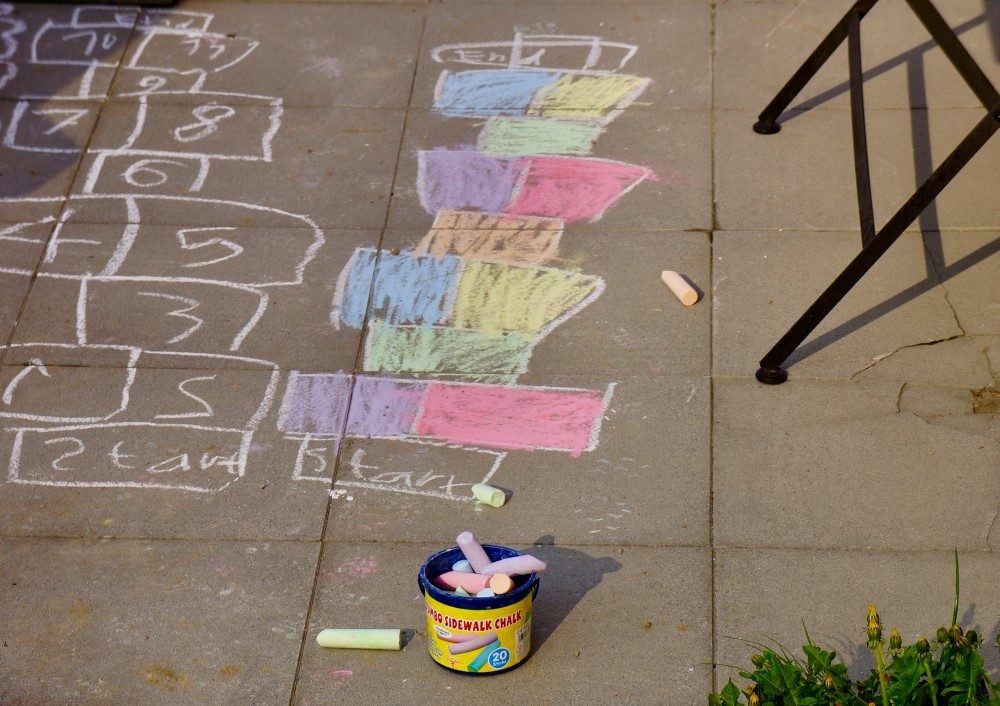
We know that ‘Play is one of the most important ways in which young children gain essential knowledge and skills’ (UNICEF, 2018, p. 7), but there is little research to evidence when play ceases to be the most effective pedagogy (Wall et al., 2015). The issue is typically decided down ideological lines. Our research provides useful considerations and comparisons for schools making this decision. As schools returned from lockdown in the absence of guidance or central direction, we faced questions about how best to support children’s transitions. As educators, researchers and teacher trainers, we observed Key Stage 1 classrooms deciding to incorporate more play as part of managing the transition. We were keen to understand the motivations for, barriers t
Join us or sign in now to view the rest of this page
You're viewing this site as a guest, which only allows you to view a limited amount of content.
To view this page and get access to all our resources, join the Chartered College of Teaching (it's £1 per year for trainee teachers and half price for ECTs) or log in if you're already a member.