







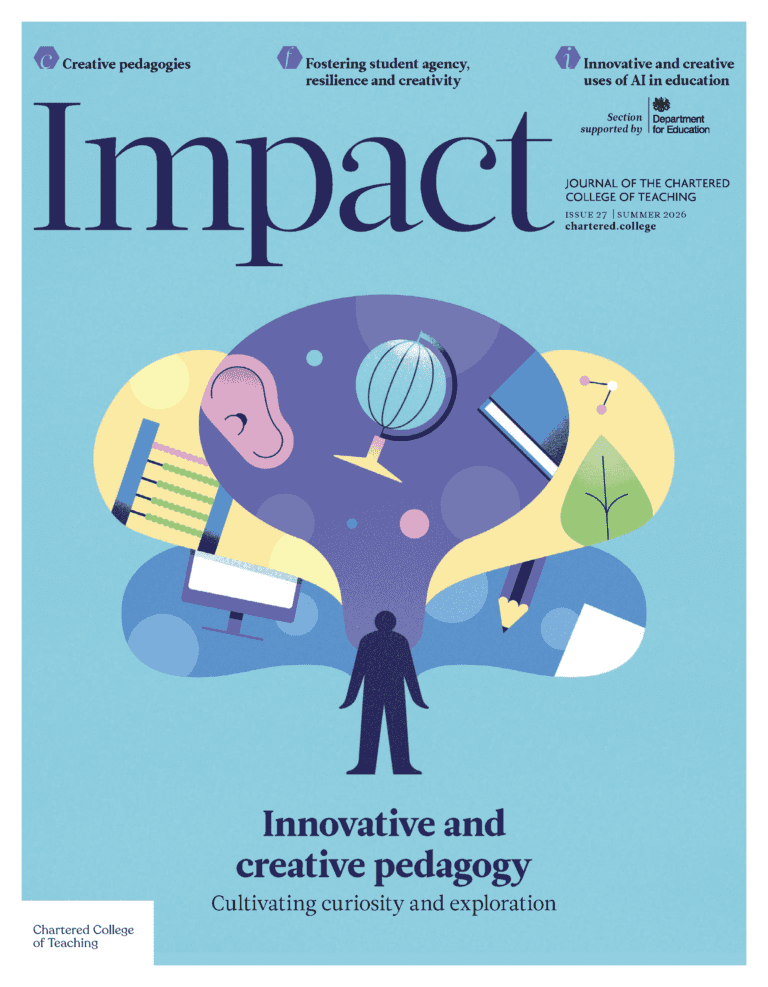

This issue explores the theme of innovative and creative pedagogy, with sections on:
- Creative pedagogies
- Fostering student agency, resilience and creativity
- Innovative and creative uses of AI in education

Bitesize CPD includes curated selections of articles and resources on a particular topic, with additional learning features to support practical application in the classroom.

This webinar comes to you as part of a supportive new series from the Chartered College of Teaching, designed for student teachers as they take their first steps into the profession, which can sometimes feel daunting.
In this session, we will discuss the Principles pillar, examining how trust, accountability, respect for difference, and creative autonomy create the base of a strong and flourishing learning environment. We will explore how embracing diversityThe recognition of individual differences in terms of race, ethnicity, gender, sexual orientation, socio-economic status, physical ability, religious beliefs and other differences and equity, and encouraging autonomous, imaginative voices contribute to increased wellbeing, motivation, and meaningful engagement for our students.
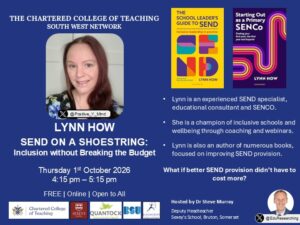
In this practical session, Lynn will explore how schools can strengthen SEND and inclusive practice by making better use of what they already have. We'll look at realistic adaptive teaching approaches, simple and low-cost interventions, reducing reliance on resource-heavy individual support, and the everyday classroom changes that can make learning more accessible.

This session will introduce the NIoT Evidence Portal, a free resource that brings together research and professional insight to support more informed decision-making about professional learning. The Portal is designed not to provide simple answers, but to support educators to interpret evidence critically and apply it thoughtfully in practice.

This short information session focuses on Chartered College of Teaching group membership – if you’ve recently taken out a group package with us, this webinar will give an overview of our work as the sector’s professional body, and key benefits your staff can access over the year ahead to support their practice.

In this webinar, Dr Sandra Mathers and Wendy Lee will explore what we can learn from Talking Time, a preschool early language programme recently evaluated in a large EEF-funded trial. Children made an average of one month’s additional progress in language development, rising to around two months for children eligible for the Early Years Pupil PremiumAdditional funding for publicly funded schools in England to raise the attainment of disadvantaged pupils of all abilities and those with English as an additional language.

In this session, practitioners and researchers will discuss why this is crucial and how you can implement it in your school. They will share their insights and experiences, including how they've overcome challenges, to empower you to adopt these practices in your own setting.
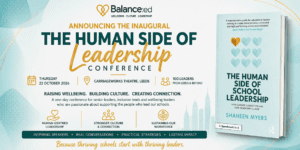
This inaugural Human Side of Leadership Conference brings together 100 school and trust leaders from Leeds and beyond for a thoughtful and honest conversation about the realities of leadership today. Through keynote reflections, panel discussions and open dialogue, the conference will explore the pressures leaders navigate, the cultures we build in our schools and how we sustain the people who lead them.
Join us for an insightful session hosted by Rethinking Curriculum, where we champion the importance of high-quality expressive arts across the curriculum. Discover how creative arts can break down the barriers of outcomes-driven curriculum design. Hear from an expert panel as they explore why engaging with the creative arts is essential for primary schools and how these opportunities can enhance the learning experiences of our students.

Join us for an inspiring in-person conference exploring the important place of the arts and humanities in primary schools. Subjects such as art, music, drama, history and geography play a vital role in children’s education, yet many schools find it increasingly challenging to protect time and resources for them alongside the pressures of maths and English.